




Event Calendar 
-
March 25.16:00 - 17:30
-
 April 2. 00:01 - 7. 23:59
 -
 April 8.00:01 - 22:00
 -
April 9.13:00 - 16:00
-
 April 15.00:01 - 22:00
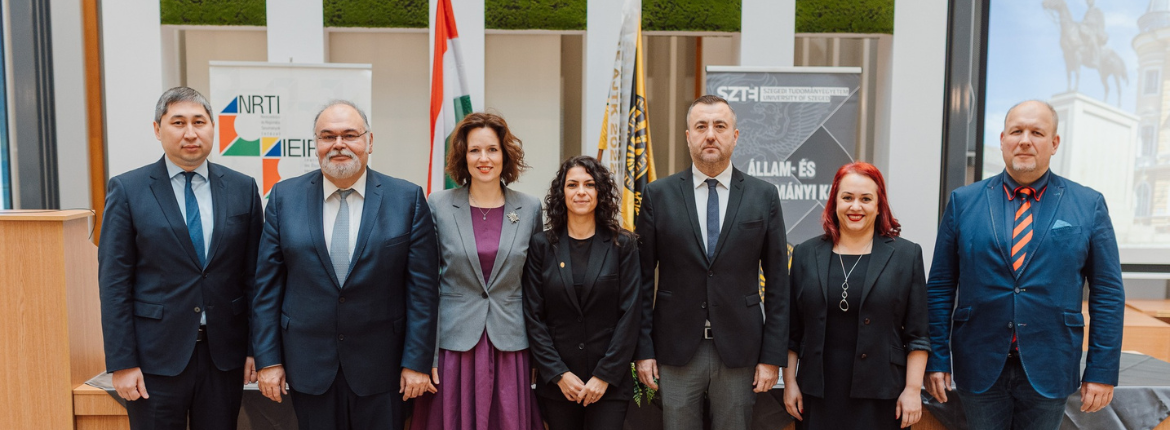
For three days in mid-November, diplomacy took center stage in the building of the Faculty of Law and Political Sciences at the University of Szeged. The Diplomacy Days 2025 event series, organized by the International and Regional Studies Institute, addressed students interested in the world of diplomacy in an unconventional way, equipping them with deeper, practice-oriented knowledge. The event successfully fulfilled its purpose, and it clearly calls for continuation.
“The decline of traditional diplomacy is an exaggerated claim”
Because the international system appears increasingly fluid, it is common to conclude that the role of traditional diplomacy has faded. This view, however, was nuanced in an encouraging way by Tahir Taghizade, the Extraordinary and Plenipotentiary Ambassador of Azerbaijan, who visited our faculty. In his view, although international relations are indeed undergoing transformation, formal and peaceful international engagement is no less important today, provided we interpret the changing circumstances correctly. Such changes of scenery include the rise of digitalization and public diplomacy, to which diplomats must skillfully adapt. The fact that international cooperation remains fundamentally human in origin, even in an era where artificial intelligence is much present, was reinforced by the experiences shared by other experts well-versed in diplomatic practice. Over the three-day event, a wide spectrum of human engagement came into focus: beyond the distinctive roles of consuls and women diplomats, topics included cultural and regional diplomacy as well as the challenges of multilateral, negotiation-based dispute resolution.

International roundtable of honorary and career consuls
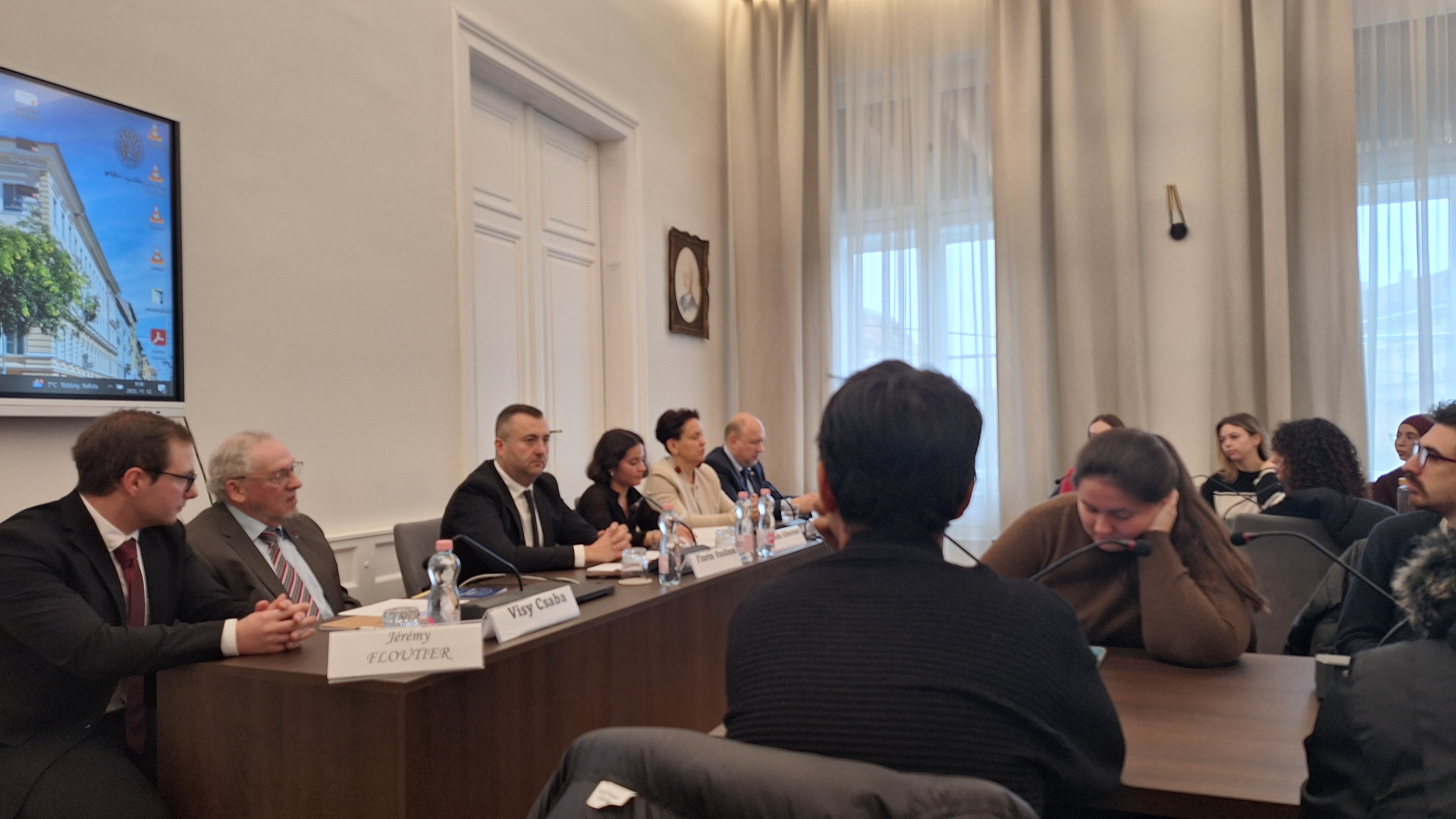
The opening day featured an English-language roundtable discussion of honorary and career consuls in the Faculty Council Hall. The French, Finnish, Romanian, Austrian, and Turkish consuls spoke about their unique roles and everyday duties, guided by the questions of student moderator Jade Albornoz. In addition to discussing their current activities, they also shared the career paths that led them to the consular profession. The participants compiled the key characteristics of effective consular work, including initiative, problem-solving ability, language proficiency, local embeddedness, a networking mindset, organizational skills, creativity, and determination. Students also learned, through practical examples, in what situations consuls can offer real support to citizens in need while abroad. A student of International Relations summarized her impressions as follows:
“The French honorary consul encouraged us to believe in ourselves, because there is no single recipe for becoming a consul: the opportunity is open to anyone. This was truly motivating advice.”
Cooperation between the Francophone African and the Central and Eastern European region in focus
Following the roundtable, guest professor Sergiu Miscoiu delivered a lecture in French (the other traditional language of diplomacy) on cooperation between Francophone African countries and the Central and Eastern European region (in French: PECO). He highlighted the diplomatic significance of the Organisation Internationale de la Francophonie, the demographic and technological complementarities between the two regions discussed, and the potential of shared innovation. He also emphasized the indispensability of personal international networks and encouraged collective, decentralized forms of cooperation. The audience, which included African and Hungarian students alike, posed active questions that sparked a lively professional dialogue, one that continued in the corridors of the Faculty long after the official program had ended.

The History and Functioning of High-Level Diplomacy
During the program, high-ranking guests visited the Aula of the Faculty of Law and Political Sciences, offering numerous interesting and enlightening lectures. We learned about the development of modern diplomacy from its ancient roots through the Middle Ages to the digital challenges of today. From the Ambassador of Azerbaijan, we gained insight into the significance of diplomacy in resolving conflicts, illustrated through the unfolding events in the South Caucasus. In his detailed speech, he touched upon the responsibilities of great powers, the problems faced by international organizations, the interactions between domestic politics and diplomacy, and even the relationship between Azerbaijan and Hungary. From the representative of the Turkic Council, we learned about the history and importance of the organization, as well as Hungary’s significant strategic position within it. The cultural and ideological factors uniting the organization, including shared religion and the notion of brotherhood, were emphasized as especially important. We also gained insight into the opportunities provided by the organization, such as regional political, economic, and cultural cooperation. Additionally, we learned that active cooperation also takes place between the universities of the member states. The Ambassador of Turkey spoke about the role of women in diplomacy and the equal opportunity efforts associated with the field. We learned that Turkey’s first female ambassador took office in 1982. Furthermore, we heard about the effectiveness and benefits of quota systems, the prohibition of marriage within certain diplomatic positions, and the relatively high proportion of female diplomats in Turkey. At the end of the substantial and instructive lectures, our students were of course able to ask questions to our guests.
International Negotiation in Practice: A Student Simulation Demonstrating Talent and Knowledge
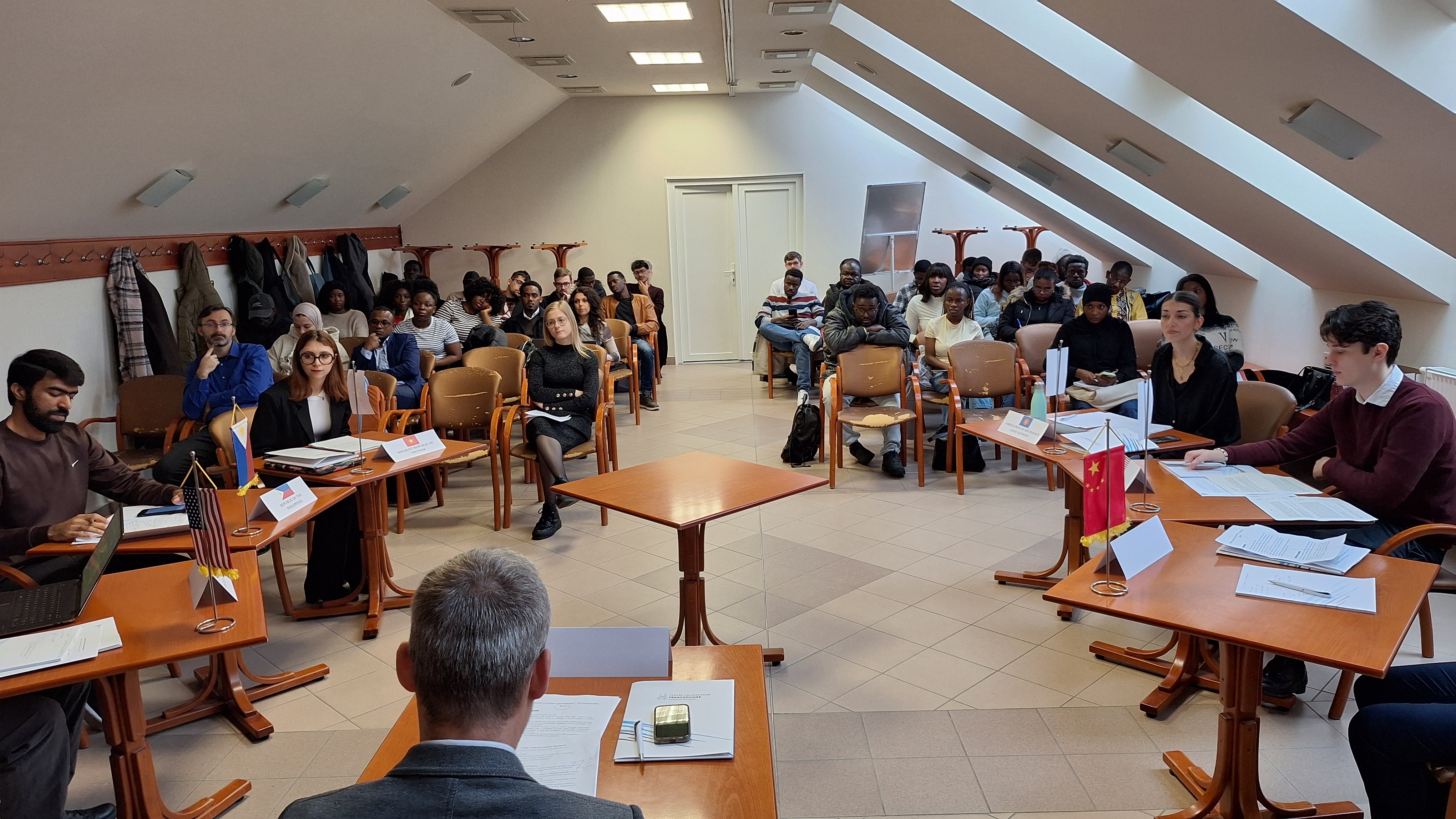
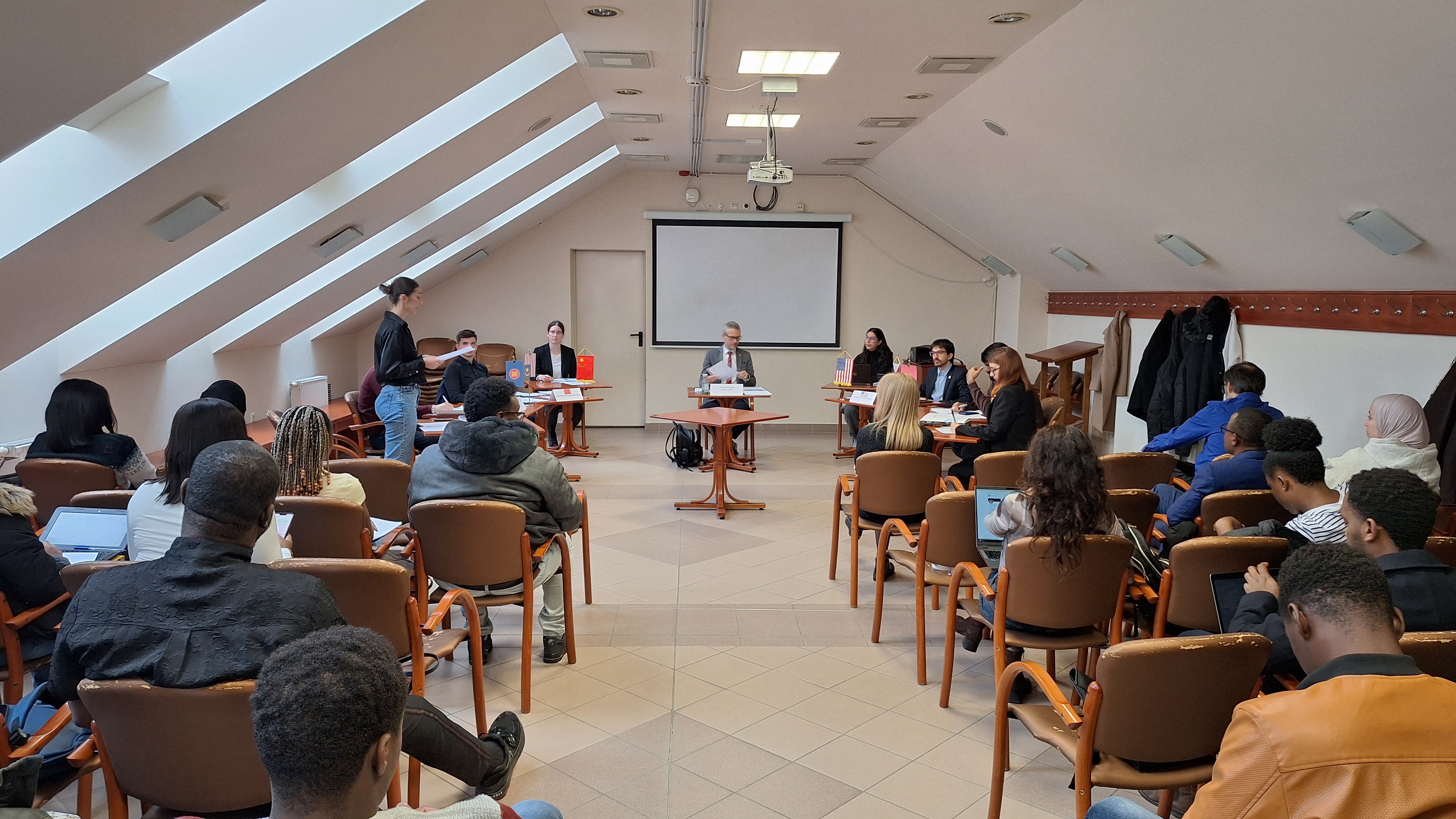
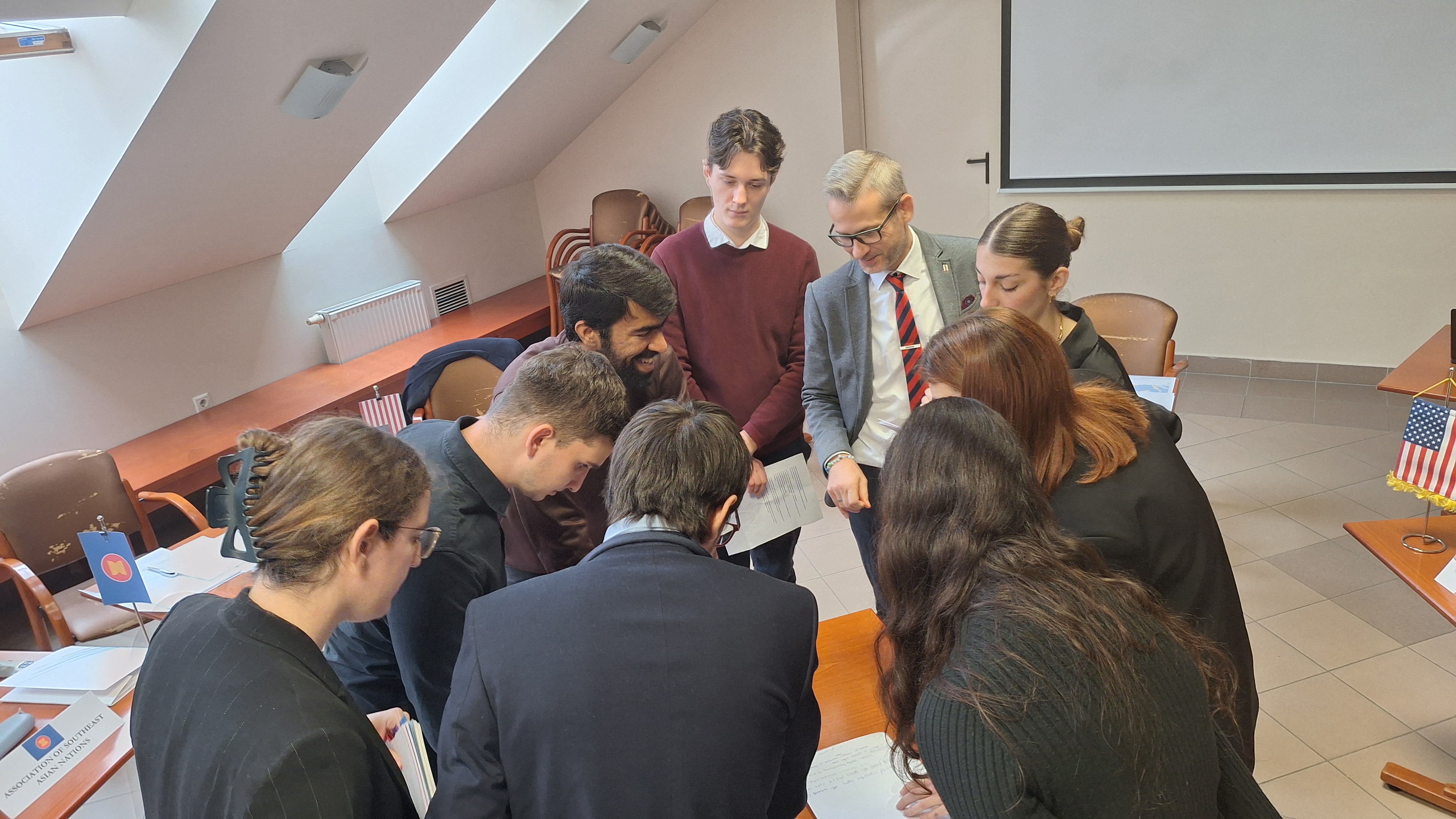
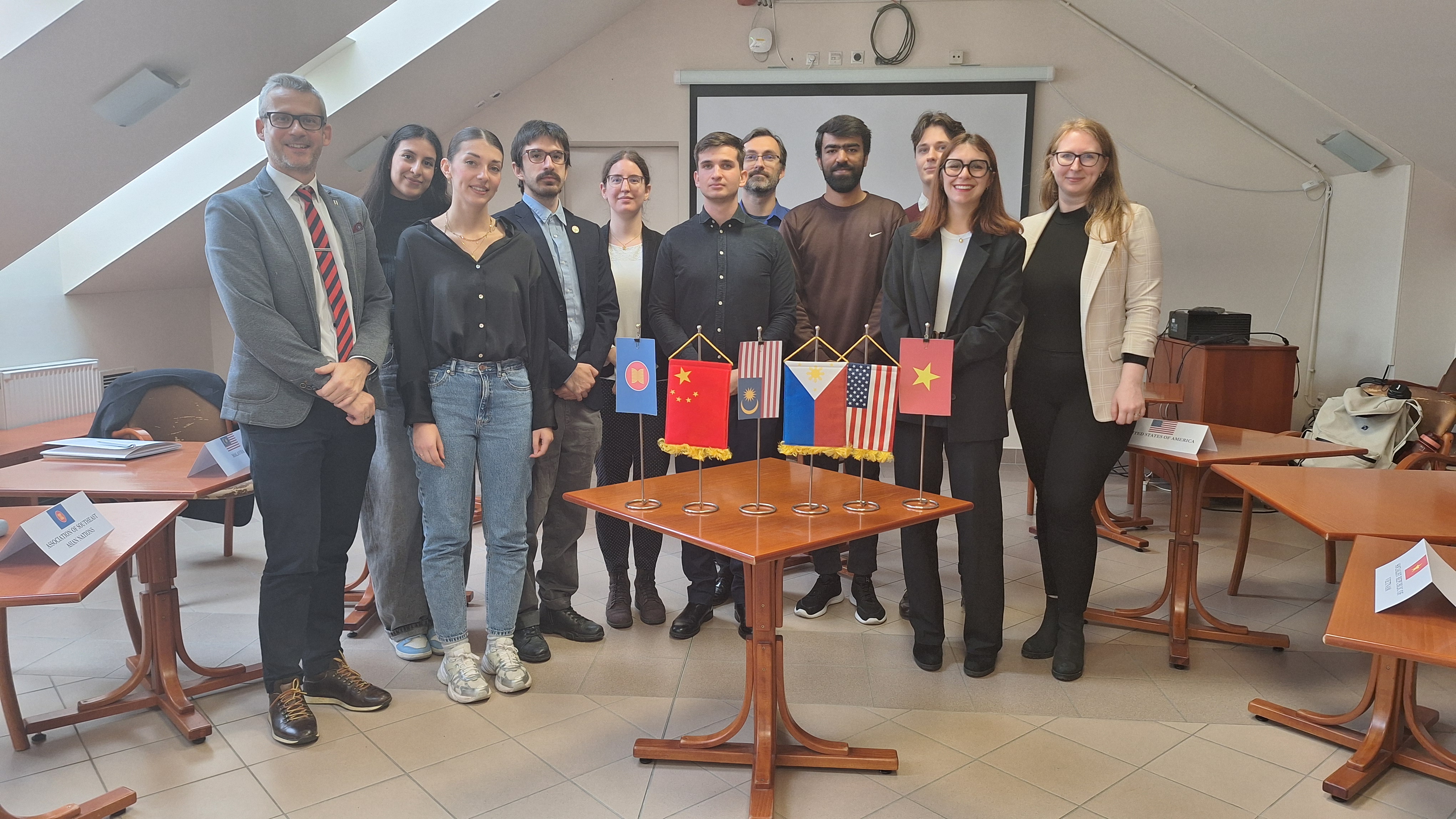
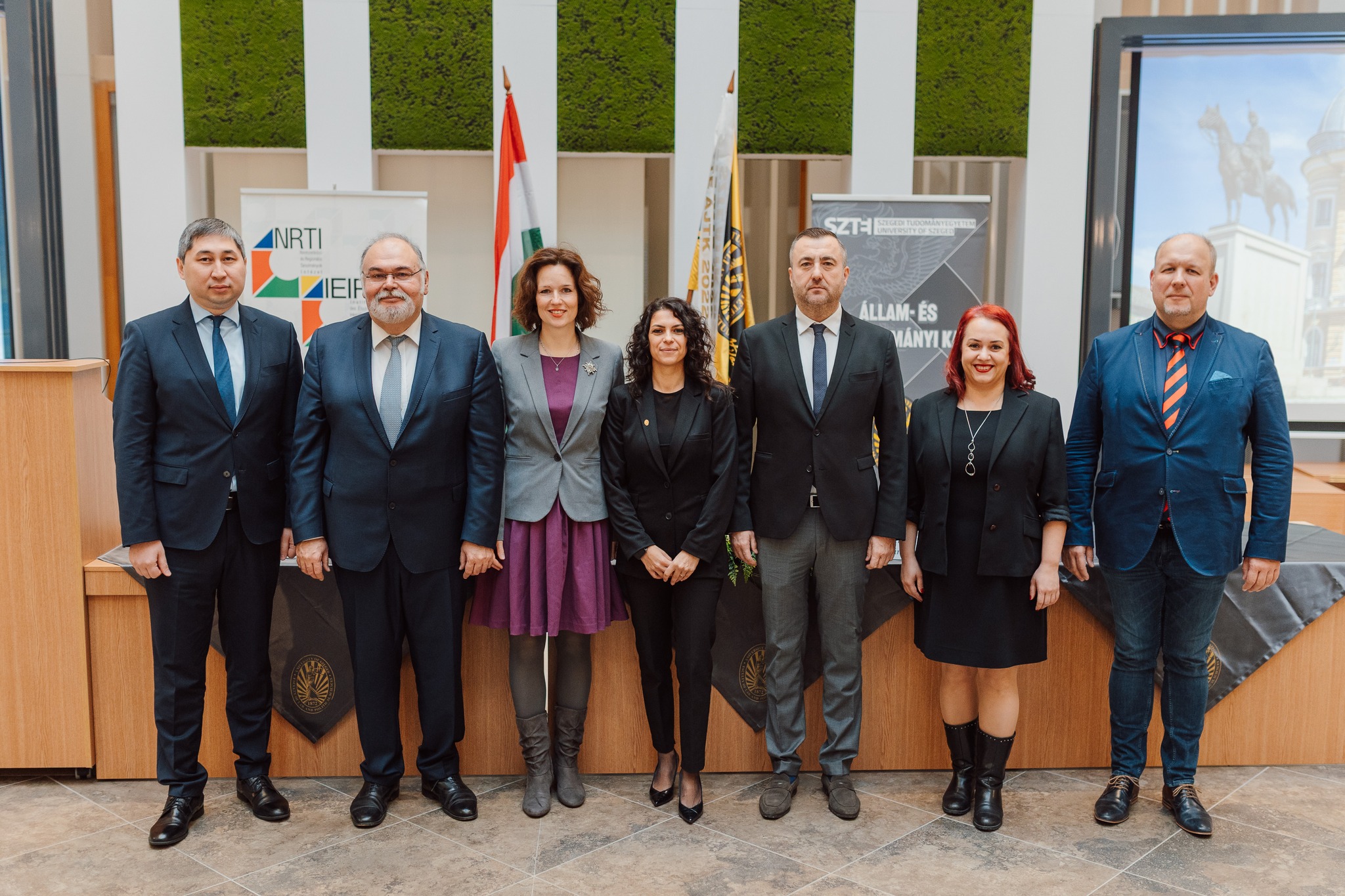
On the final day of the event series, as the crowning moment of Diplomacy Days, our students participated in a fantastic simulation exercise in which they assumed the roles of representatives of China, Vietnam, Malaysia, the Philippines, ASEAN, and the United States in an attempt to resolve the South China Sea dispute. To enhance authenticity, the negotiation was conducted in three languages (English, French, and Hungarian) with interpretation provided by our own students. The event remained high-level throughout, and our students performed excellently. We congratulate them!
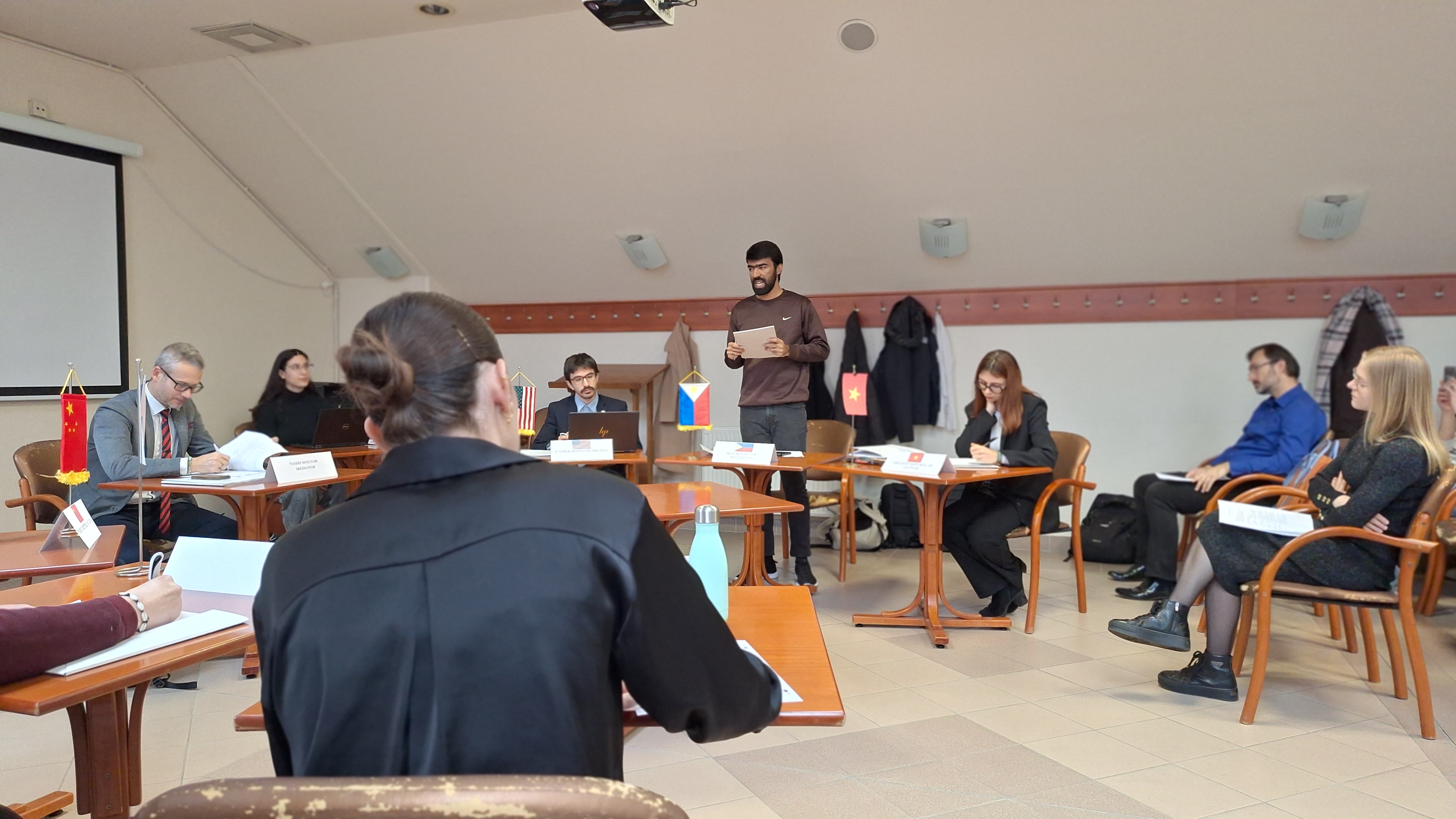 |
| As the crowning moment of Diplomacy Days, our students participated in a fantastic simulation exercise |


